

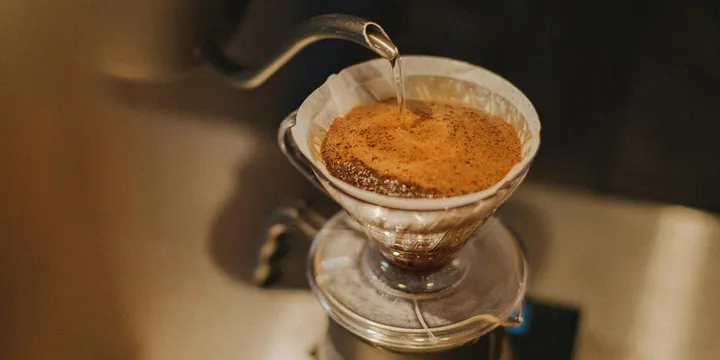
How to Choose the Best Coffee for Espresso Beans
Espresso lovers know that the secret to a perfect shot lies in the beans. Choosing the best coffee for espresso is not just about picking any dark roast from the shelf. It involves understanding how bean quality, roast profile, and origin influence the taste in your cup. With the growing popularity of specialty coffee, more people are exploring ways to make café-quality espresso at home. This guide will help you make smarter choices and enjoy richer, more satisfying espresso every day.
Why Bean Quality Matters in Espresso
Espresso is highly concentrated, which means every characteristic of the coffee bean becomes more noticeable. Poor-quality beans often lead to harsh bitterness or dull flavor, while high-quality beans create a smooth and balanced shot. Specialty-grade beans are usually grown at higher altitudes and processed carefully to preserve their natural flavors. This attention to detail results in a cleaner and more complex espresso experience.
The Role of Roast Profile in Espresso
Roast profile plays a major role in shaping espresso flavor. Light roasts tend to highlight the natural characteristics of the coffee, often bringing out fruity or floral notes. These can be exciting but sometimes challenging for traditional espresso drinkers. Medium roasts strike a balance by offering sweetness and mild acidity, making them a popular choice for home brewers. Dark roasts, often associated with classic espresso, produce bold and smoky flavors with a heavier body. Each roast level offers a unique experience, so experimenting with different profiles can help you discover your preference.
Understanding Coffee Origins
Coffee origin significantly affects flavor. Beans from different regions carry distinct taste profiles due to variations in climate, soil, and processing methods. South American coffees are often known for their chocolatey and nutty notes, making them ideal for espresso. African coffees tend to be more vibrant, with fruity and floral characteristics that can add complexity to your cup. Asian coffees often deliver earthy and spicy tones, providing depth and richness. Exploring these origins can help you find the flavor profile that suits your taste.
The Importance of Freshness
Freshness is one of the most overlooked factors in espresso making. Coffee beans begin to lose their flavor soon after roasting, so using fresh beans is essential. Ideally, beans should be used within two to four weeks of the roast date. Fresh coffee produces better crema and a more aromatic espresso. Always store your beans properly to maintain their quality and avoid exposure to air, light, and moisture.
Grind Size and Its Impact on Flavor
Grind size directly affects how water interacts with coffee during extraction. A fine grind is necessary for espresso because it allows water to pass through the coffee at the right speed. If the grind is too coarse, the espresso will taste weak and under-extracted. If it is too fine, the result can be overly bitter and slow to pour. Finding the right grind size may take some experimentation, but it is essential for achieving consistent results.
Brewing Espresso Like a Pro
Brewing espresso requires precision and attention to detail. The temperature of the water, the pressure of the machine, and the amount of coffee used all influence the final taste. A well-balanced espresso shot typically takes around 25 to 30 seconds to extract. Consistency in your brewing process is key to producing great results every time. Small adjustments in grind size or dosage can make a significant difference in flavor.
Exploring Flavor Complexity
One of the most exciting aspects of espresso is its flavor complexity. A single shot can contain multiple layers of taste, ranging from sweet and nutty to bright and fruity. Learning to identify these flavors can enhance your appreciation of coffee. Tools like the coffee flavor wheel help break down these characteristics, making it easier to recognize subtle notes in your espresso. This understanding allows you to choose beans that match your personal taste preferences.
The Value of Specialty Coffee
Specialty coffee has transformed the way people experience espresso. It focuses on quality, transparency, and ethical sourcing. Platforms like jayarr.coffee provide insights into coffee through scientific analysis and honest reviews, helping consumers make informed decisions. By choosing specialty coffee, you gain access to higher-quality beans and a more refined flavor experience.
Avoiding Common Espresso Mistakes
Many espresso issues come from simple mistakes. Using old beans can result in flat and lifeless shots. Incorrect grind size can disrupt the extraction process, leading to unbalanced flavors. Inconsistent tamping can cause uneven water flow, affecting the overall taste. Paying attention to these details can greatly improve your espresso quality and consistency.
Storing Coffee for Maximum Freshness
Proper storage is essential for preserving the flavor of your coffee beans. Beans should be kept in an airtight container and stored in a cool, dark place. Exposure to oxygen, light, and heat can quickly degrade the quality of the coffee. Avoid refrigerating beans, as this can introduce moisture and unwanted odors that affect the taste.
Conclusion
Choosing the best coffee for espresso beans is a combination of knowledge and experimentation. By understanding the importance of roast level, origin, freshness, and grind size, you can significantly improve your espresso experience. Exploring different flavor profiles and using tools like the coffee flavor wheel will help you refine your taste and discover what you enjoy most. With the right approach and high-quality beans, making exceptional espresso at home becomes both simple and rewarding.