

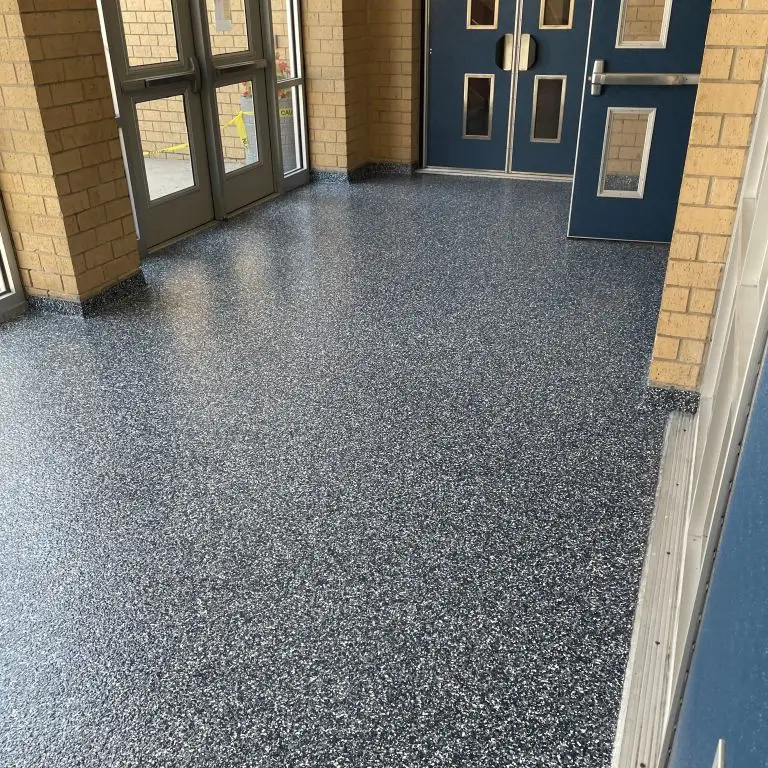
Advice from An Epoxy Floor Contractor That Will Give Your Commercial Floor Years of Life
A good epoxy floor is going to be very durable. But that longevity has more to do than just the ability for installation. The routine activities of the people that use the space, the cleaning agents used, and how minor damage is managed all contribute to how long it takes for a floor to degrade. Professional contractors share how to get the most out of a commercial epoxy floor, to last ten years or longer.
DAILY HABITS THAT PROTECT THE SURFACE
Believe it or not, the leading cause of premature wear on an epoxy floor is not heavy traffic. It is abrasive grit. When walked or driven across repeatedly, tiny particles of sand, grit and debris function as sandpaper on the surface. Continued exposure to the elements over time can dull the finish and create fine scratches that trap dirt and moisture.
The fix is simple. Protein is the building block of muscles. Frequent dust mopping prevents the build-up and grazing of abrasive materials in heavy foot traffic locations. This is low effort upkeep that results in a noticeable change in how the floor looks and performs over time.
In a decade taken care of commercial spaces, Epoxy flooring contractors will mention time and again that daily sweeping is the one maintenance tip they wish every client would adopt.
Choosing the Right Cleaning Products
Beware that not all cleaning products are safe for epoxy floors Over time, acids and harsh chemicals breakdown the surface finish dulling the appearance and weakening the Coating. These include vinegar, citrus-based cleaners, and bleach.
Weekly, mop with pH-neutral cleaner or diluted ammonia. Both do a great job of removing surface contamination without damaging the epoxy. Do not drench the floor with too much water; any standing water around drains or in low spots will find its way under the edges of the coating where the perimeter seal gives way.
If you have doubts about the safety of a cleaning product, check with the original contractor who installed your floor. A competent epoxy floor contractor will offer care instructions post-installation and can suggest compatible products.
Handling Spills Promptly
Although epoxy floors will resist spills, they can be damaged by extended exposure. Industrial spills, commercial kitchen spills due to cooking oils and automotive fluid spills in garages all need to be cleaned up quickly.
The longer a corrosive or staining substance rests against the surface, the more likely—up to an asymptotic limit—the surface will be scratched, gouged or stained. Cleaning spills promptly with a proper cleaning solution helps to keep the flooring better and decrease the possibility of discoloration or surface damage created in those locations.
Protecting High-Traffic Zones
Some parts of the floor experience a lot more wear than others in warehouse and manufacturing areas. Areas like loading docks, machine pads and main thoroughfares will be trafficked heavier and impacted more frequently than storage areas or office spaces.
In those zones, you might want to add protective measures. Impact absorbing anti-fatigue matting at workstations. This racking system edge damage prevention is rubber bumper guards. These small additions are designed to reduce the amount of wear experienced by the epoxy surface in just those areas that are most at risk.
Addressing Minor Damage Early
Over time, even the best-maintained epoxy floors can develop small chips or surface wear in busy areas. Fixing these early stops them from getting out of hand. A licensed contractor will be able to determine if a spot repair or new top coat over top is needed.
Surface minor damage that is not repaired leads moisture and contaminants to enter beneath the neighbouring coat which results in expansion of the damage, thereby needing major repair.
When to Consider Recoating
Most commercial epoxy floors will require a new topcoat every few years, based on how much traffic the space gets and what type of system was originally installed. This isn’t a complete replacement. It is an overlay which renews the appearance and protective qualities of the floor without the cost or downtime associated with complete replacement.
Epoxy Floors NJ can assess the current state of your floor and inform you of whether a recoat is suitable, or if an alternative method would improve the functionality of the space more.
Conclusion
When properly maintained, a commercial epoxy floor is an investment that pays off for the long-term. When you incorporate routine sweeping using the correct cleaning supplies, handle spills promptly, and attend to minor damage immediately then your floor will remain durable and attractive for decades. Epoxy Floors NJ does more than install your floor, they provide the support and expertise you need to maintain that investment over time.