

Transforming Clinical Workflows with Smarter Documentation Tools
Healthcare professionals today face an overwhelming amount of administrative work, often spending more time documenting patient encounters than engaging with patients. This imbalance not only affects productivity but can also impact the quality of care. Fortunately, modern digital solutions are reshaping how clinicians manage documentation. Among these, medical scribe software stands out as a powerful tool designed to simplify workflows, reduce burnout, and improve accuracy in clinical records.
How medical scribe software Enhances Daily Clinical Efficiency
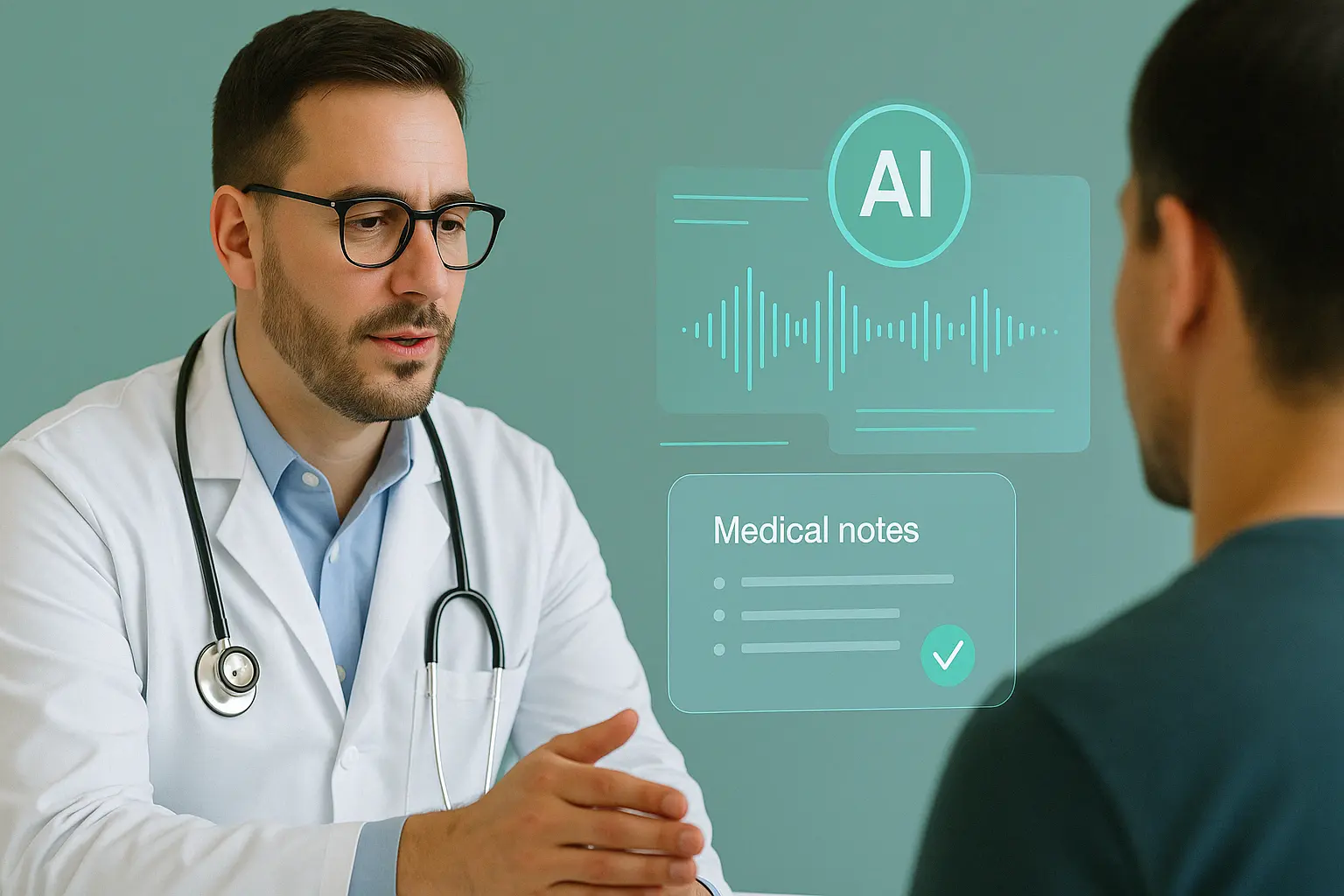
The primary goal of medical scribe software is to streamline documentation by capturing patient interactions in real time. Instead of manually typing notes after consultations, healthcare providers can rely on intelligent systems that record, transcribe, and organize information instantly.
This technology allows physicians to focus more on patient communication, fostering better relationships, and improving overall satisfaction. Additionally, automated documentation minimizes the risk of missing critical details, ensuring that patient records remain comprehensive and up to date.
Another key advantage is time savings. By reducing the hours spent on paperwork, clinicians can see more patients or dedicate time to professional development. This improved efficiency directly benefits both healthcare providers and their patients.
Key Features That Make Documentation Seamless
Modern solutions are equipped with advanced features that go beyond simple transcription. These capabilities are designed to integrate smoothly into existing healthcare systems and enhance usability:
- Voice recognition with high accuracy, enabling real-time transcription even in fast-paced environments
Beyond this, many platforms offer integration with electronic health records (EHRs), allowing seamless data transfer. Some also include AI-driven suggestions that help standardize medical terminology and improve documentation quality.
Security is another critical aspect. These tools are built with compliance in mind, ensuring patient data remains protected under strict regulations. This makes them a reliable choice for healthcare organizations of all sizes.

Why medical scribe software Is Becoming Essential in Healthcare
As the healthcare industry continues to evolve, the demand for efficient and accurate documentation tools is growing rapidly. Medical scribe software is no longer just a convenience—it is becoming a necessity.
One of the main reasons is physician burnout. Long hours spent on administrative tasks can lead to fatigue and decrease job satisfaction. By automating documentation, these tools significantly reduce the workload, allowing clinicians to focus on what truly matters: patient care.
Moreover, the accuracy provided by these systems improves clinical decision-making. When patient records are clear and well-organized, it becomes easier to track medical history, identify patterns, and provide effective treatments.
Healthcare organizations also benefit from cost efficiency. By reducing the need for manual scribes or additional administrative staff, facilities can allocate resources more effectively while maintaining high-quality documentation standards.
Conclusion
The future of healthcare lies in embracing technologies that enhance efficiency without compromising patient care. Medical scribe software represents a significant step forward in this direction, offering a practical solution to one of the industry’s biggest challenges—documentation overload.
By saving time, improving accuracy, and reducing stress for healthcare professionals, these tools are transforming clinical workflows in meaningful ways. As adoption continues to grow, integrating smart documentation solutions will play a crucial role in shaping a more efficient, patient-centered healthcare system.