

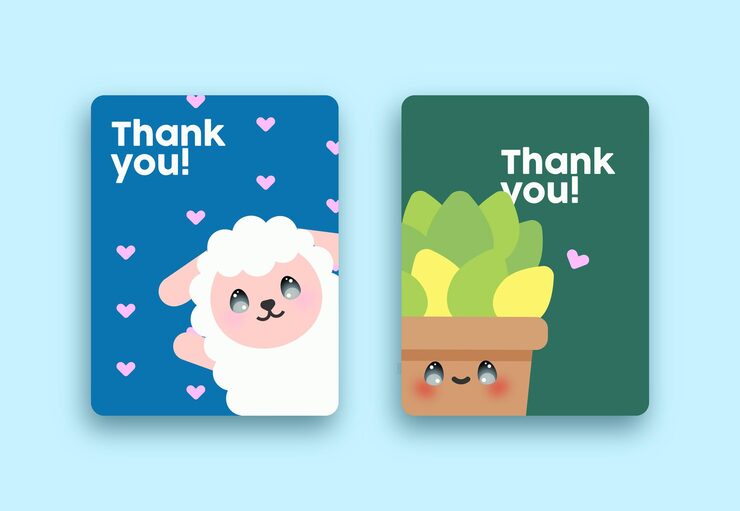
Tired of Traditional Cards? Why Digital Thank You Cards Are the Better Choice
Traditional cards have a certain charm. People like holding them, reading handwritten notes, and placing them on a desk for a while. But in many workplaces, the old card routine has become awkward.
Someone forgets to sign. The card gets stuck in one department. Remote employees are left out. The recipient receives it late. Sometimes the whole thing feels more stressful than thoughtful.
That is why Digital thank you cards are becoming the better choice for modern teams.
Paper Cards Were Built for a Different Workplace
Physical cards worked best when everyone shared the same space. You could pass a card from desk to desk and trust that most people would see it.
Many teams no longer work that way.
A company may have remote employees, hybrid schedules, multiple offices, freelancers, and people traveling for work. In that environment, a paper card can feel limited. It depends too much on location and timing.
A digital card fits the reality of modern work. It can reach everyone through a simple link.
Digital Does Not Mean Less Personal
Some people assume online cards feel cold. That can be true if the message is generic. But the format itself is not the problem.
A digital card filled with real messages from coworkers can feel deeply personal. It can include specific memories, appreciation, encouragement, and humor. The recipient can see different voices from across the team.
RecoCards allows multiple people to sign a shared online greeting card and add messages, photos, and GIFs. That gives the card more personality than a standard office card with rushed signatures.
They Are Better for Remote and Hybrid Teams
A remote employee should not feel like they are watching workplace culture from the outside.
Digital thank you cards help remote workers participate in celebrations and recognition. They can sign birthday cards, farewell cards, work anniversary cards, and Employee appreciation cards from wherever they are.
This makes appreciation more inclusive.
It also helps the recipient feel connected to the whole team, not only the people they see in person.
They Save Time Without Removing Thoughtfulness
Organizing a physical card takes more effort than people admit. Someone has to buy it, pass it around, remind others, keep it hidden, and deliver it.
Digital cards remove most of that coordination. A card can be created quickly, shared instantly, and completed by the team without chasing people down.
That does not make the card less thoughtful. In fact, it can give people more time to write better messages because they are not rushing to sign before a meeting.
They Are Easier to Keep
Paper cards often end up in drawers, boxes, or recycling bins. Some are cherished, but many eventually disappear.
Digital cards are easier to revisit. Depending on the platform and features used, recipients may be able to save or download the card. RecoCards offers PDF download as a premium option for people who want to keep a card beyond the moment.
For farewells, retirements, and milestone appreciation, this can be especially valuable.
They Offer More Creative Freedom
Traditional cards are limited by the design printed on them. Digital cards can be more flexible.
Teams can choose backgrounds, add images, include GIFs, use music, and create a card that matches the person or occasion. A funny birthday card can feel completely different from a thoughtful retirement card.
That flexibility makes digital cards useful for many moments, not just formal appreciation.
They Are More Eco-Friendly
A single paper card may not seem like much, but companies send many cards over time. Birthdays, holidays, farewells, anniversaries, and recognition events all add up.
Digital cards reduce paper use and avoid delivery waste. For teams looking for a more eco-friendly alternative, online greeting cards are a practical choice.
Traditional Cards Still Have a Place
This does not mean paper cards are worthless. Some people love them. Some occasions may still call for a physical card.
But for most workplace situations, digital cards are more convenient, inclusive, and adaptable.
The better choice depends on the team. For remote, hybrid, and fast-moving workplaces, digital thank you cards usually make more sense.
Appreciation Should Be Easy to Share
The real advantage of digital cards is not technology. It is access.
More people can sign. Messages arrive faster. Cards can be personalized. Remote employees can take part. The recipient gets a fuller expression of appreciation.
RecoCards makes this easy by offering free online group greeting cards for thank-you moments and many other occasions. When appreciation is easier to share, teams are more likely to do it. And that is what makes digital cards the stronger choice for today’s workplace.