

The Magic of HandsOn Learning: Why Wooden Toys Still Matter
A Gentle Introduction to Meaningful Play
In a world filled with flashing screens and noisy gadgets, there’s something quietly powerful about simple, tactile toys. Children don’t need overstimulation to learn they need connection, curiosity, and creativity. That’s where wooden toys come in. Rooted in timeless design and purposeful play, these toys offer children a chance to slow down and truly engage with their environment.
Parents today are increasingly searching for tools that support both development and imagination. Wooden toys, especially those inspired by Montessori principles, provide exactly that. They’re not just playthings they’re gateways to independent learning and discovery.
Why Choose Montessori Wooden Toy for Your Child?
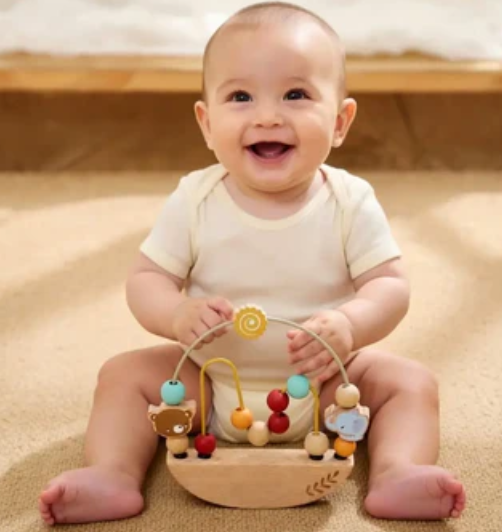
A Montessori wooden toy is designed with intention. Unlike many modern toys that entertain passively, these toys invite children to participate actively. They encourage problem-solving, fine motor skills, and cognitive growth through Handson exploration.
Montessori philosophy emphasizes learning through doing, and wooden toys fit perfectly into that approach. Their natural textures, muted colors, and simple designs help children focus without distraction. Instead of overwhelming the senses, they nurture concentration and creativity.
These toys also grow with your child. A simple stacking toy today can become a counting tool tomorrow or even a storytelling prop later. That kind of versatility is rare in mass produced plastic toys.
How a Montessori Wooden Toy Supports Early Development
Learning Through Exploration and Imagination
A Montessori Wooden Toy doesn’t come with instructions and that’s exactly the point. Children are encouraged to figure things out on their own, which builds confidence and independence. Whether it’s fitting shaped into the right slots or balancing pieces carefully, each activity strengthens both the mind and body.
What makes these toys truly special is their ability to adapt to a child’s developmental stage. Younger children may focus on sensory exploration, while older kids might use the same toy for more complex tasks like sorting, counting, or creative storytelling.
Here’s what makes them especially beneficial:
- They promote problem-solving, improve hand eye coordination, and encourage independent thinking while keeping playtime calm and meaningful.
Additionally, wooden toys are often more durable and eco-friendlier than their plastic counterparts. This means they can be passed down through generations, making them not just a purchase, but an investment in sustainable living.
Creating a Calm and Engaging Play Environment
Your child’s play environment plays a huge role in how they learn. A space filled with too many options can feel overwhelming, while a thoughtfully curated area encourages deeper engagement. Wooden toys complement a minimalist approach to play.
Try rotating toys instead of displaying everything at once. This keeps your child interested and allows them to fully explore each item. Pair this with a calm, clutter free space, and you’ll notice a difference in how your child interacts with their toys.
Lighting, textures, and even the arrangement of toys can influence play. Wooden toys, with their warm and natural feel, help create an inviting and peaceful atmosphere that supports focused learning.
The Emotional Connection Behind Simple Toys
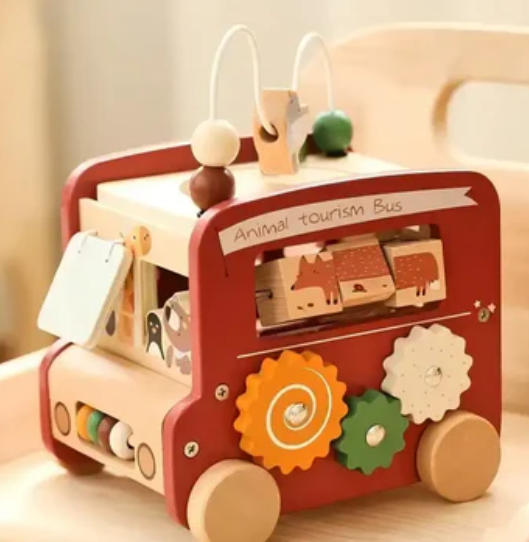
There’s also an emotional aspect to consider. Wooden toys often feel more “real” to children. Their weight, texture, and even scent create a sensory experience that plastic toys simply can’t replicate.
Children tend to form deeper connections with toys that allow them to express themselves freely. Without predefined sounds or flashing lights, they become the creators of their own play stories. This not only boosts imagination but also fosters emotional development.
Parents often find that these toys encourage quieter, more meaningful play sessions. Instead of constant noise and distraction, there’s a sense of calm engagement that benefits both the child and the household.
Conclusion: A Thoughtful Choice for Growing Minds
Choosing the right toys for your child doesn’t have to be complicated. Sometimes, the simplest options are the most powerful. Wooden toys, especially those designed with Montessori principles in mind, offer a balanced blend of education, creativity, and sustainability.
A Montessori Wooden Toy is more than just a plaything it’s a tool for growth, discovery, and lifelong learning. By introducing these into your child’s daily routine, you’re not only supporting their development but also creating a foundation for mindful and meaningful play.