


Why Artisan Coffee Is Reshaping the Modern Cafe Business Model
There is a quiet revolution brewing in cafes across America, and it smells like freshly ground single-origin beans. The rise of artisan coffee culture has fundamentally changed how small business owners think about product quality, customer relationships, and profitability. This is not just about better coffee. It is about how a deeply intentional approach to a single product can anchor an entire business identity and drive loyal, returning customers. For entrepreneurs considering the food and beverage space, understanding this shift is not optional. It is essential.
The Economics Behind the Artisan Coffee Movement
At first glance, charging six dollars for a cup of coffee seems like a stretch. But when you dig into the numbers, the artisan coffee business model reveals a surprisingly strong margin story. The key is perceived value. Customers visiting specialty coffee shops are not buying caffeine. They are buying an experience, a story, and a ritual. Small batch producers who prioritize quality over volume often find that their customer base, while smaller, spends more per visit and returns more frequently. According to specialty coffee trade research, repeat customers account for a disproportionate share of weekly revenue at independent cafes. When customers believe in the product, they become advocates. That kind of organic marketing is nearly impossible to replicate through paid advertising.
How Small Business Owners Can Leverage Artisan Coffee Branding
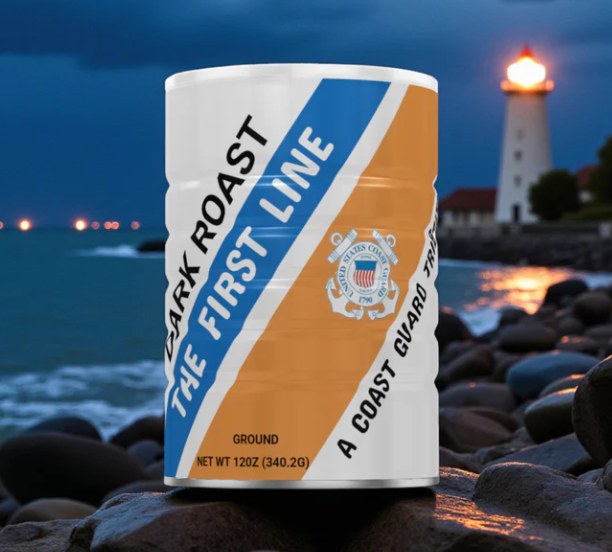
Branding in the artisan space requires a different playbook. Forget broad targeting. The goal is depth, not width. Start by defining a clear origin story for your products. Customers connect emotionally with farmers, regions, and roasting philosophies. Transparency about your supply chain is not just ethical. It is a marketing asset. Visual branding matters enormously in this category. Hand-drawn logos, kraft paper packaging, and minimal design aesthetics communicate authenticity instantly. Social media platforms like Instagram and TikTok reward this aesthetic generously. A simple behind-the-scenes roasting video can outperform a traditional product advertisement ten to one in terms of genuine engagement. Businesses like artisan coffee specialists at First and Main Coffee Co. are excellent examples of how deliberate branding and product integrity can build a loyal customer base without relying on national scale or celebrity endorsements.
What Entrepreneurs Can Learn from Specialty Roasters
The craft coffee industry offers a masterclass in niche market domination. Specialty roasters typically serve a very specific audience: people who care deeply about flavor profiles, ethical sourcing, and brewing craft. Rather than apologizing for this narrowness, successful operators lean into it. One lesson that transfers directly to other business categories is the power of education as a marketing strategy. Cafes that host cupping events, brewing workshops, and origin tastings build community around their products. This community becomes both a support system and a sales engine. When your customers understand your product better than competitors’ customers do, loyalty almost takes care of itself.
The Future of Artisan Coffee in the Digital Marketplace
E-commerce has opened extraordinary doors for small artisan roasters. What was once limited to foot traffic within a few city blocks can now reach subscription customers across the country. Direct-to-consumer coffee subscriptions have grown significantly year over year, fueled by consumers’ desire for curated, premium experiences delivered to their doorstep. Technology is also changing quality control and customer communication. From roast tracking apps to detailed tasting notes published on QR codes, digital tools allow small producers to compete with much larger brands in terms of customer education and engagement. The playing field has never been more level for quality-focused small businesses.
Conclusion
The growth of artisan coffee is more than a trend. It is proof that modern consumers will pay a premium for authenticity, quality, and transparency. For entrepreneurs, the real takeaway is this: pick a category, go deep, and build a brand that genuinely means something to the people it serves. That is a formula that works far beyond the coffee aisle.