

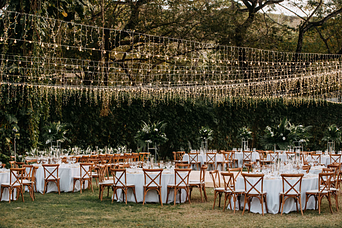
How to Create a Wedding Day Timeline That Actually Works
One of the most overlooked elements of wedding planning is the timeline. Couples spend months choosing flowers, cake flavors, and centerpieces, but often leave the actual schedule of the day vague until it is too late. A poorly planned timeline creates a chain reaction of stress. The ceremony runs late, the photographer loses light for portraits, dinner is served to hungry guests who have been waiting too long, and by the time the first dance arrives, everyone is tired. A thoughtful, realistic timeline is the invisible architecture that holds a great wedding day together. It lets you relax and be present because the logistics are working in the background without anyone needing to manage them manually.
Start with the Non-Negotiables
Every wedding timeline is built around a few fixed anchor points. The ceremony start time, the sunset time if outdoor photos are planned, and the venue’s end time are the three most important. Work backward from these points. If sunset is at 7 PM and you need thirty minutes of golden hour portraits, then the couple must be free by 6:30 PM. That means the reception cocktail hour should start by 6 PM, which means the ceremony must end no later than 5:30 PM. Build in buffer time at every stage. Nothing in a wedding runs exactly on schedule, and padding the timeline by ten to fifteen minutes at key transitions prevents small delays from becoming big ones.
The Getting-Ready Block: More Time Than You Think
Most couples significantly underestimate how long getting ready takes. Hair and makeup for a wedding party of four people can easily take three to four hours. Add the photographer documenting getting-ready moments, which adds another variable. Allow a full thirty to sixty minutes just for the pre-ceremony portraits of each family group. If you want a first-look moment before the ceremony, that adds another thirty minutes of buffer needed. Getting-ready coverage is some of the most personal and emotionally rich photography in a wedding album, so give it the time it deserves rather than compressing it to rush toward the ceremony.
Protecting the Couple’s Portrait Time
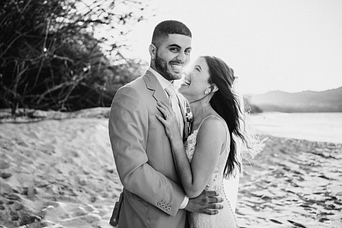
Many couples tell me after the fact that the thing they wish they had more of was time alone together during the day. Carving out thirty to forty-five minutes for just the two of you and your photographer, away from guests, family, and the social obligations of the reception, creates some of the most intimate and artistically beautiful images of the day. This window does not need to be long. It just needs to be protected. Ask your wedding planner or a trusted friend to hold that time sacred and communicate it clearly to family members who might otherwise come looking for you.
The Reception Block: Pacing for Energy
A great wedding reception has natural energy arcs. Guests arrive energized and social during cocktail hour. Dinner creates a more relaxed, connected atmosphere. Speeches and toasts shift the energy to emotional. Dancing brings it back to high and celebratory. Work with your DJ or band to design this arc intentionally. Avoid clustering all the formal elements at the start of the reception. Spread them out so guests stay engaged throughout the evening. End the night with a high-energy moment, a dance floor filled with your favorite people and your favorite song. Sharing Life Photography captures full wedding-day timelines with documentary precision, so every moment from first look to last dance is beautifully documented.
Conclusion
A great wedding timeline is a gift you give yourself. It creates the conditions for genuine presence, unhurried joy, and photography that tells the full story of the day. Invest time in building it carefully, communicate it clearly with your vendors, and then release control on the day itself. Trust the plan. Enjoy the people around you. Let the day unfold as it was always meant to.